With maize and beans wiped out, farmers watch helplessly as tonnes of mangoes rot while Siaya’s only processing plant lies abandoned
Siaya County is confronting a harsh double reality: a devastating drought that has wiped out the second-season maize and bean crop, and a massive mango glut that farmers cannot profit from due to failed processing infrastructure.
Across Alego-Usonga, Ugenya and Gem, fields that should have been lush with maturing maize and beans planted in August now lie dry and brittle. Prolonged heat has scorched the crop almost to total loss, leaving farmers staring at one of the worst second-season outcomes in recent years.
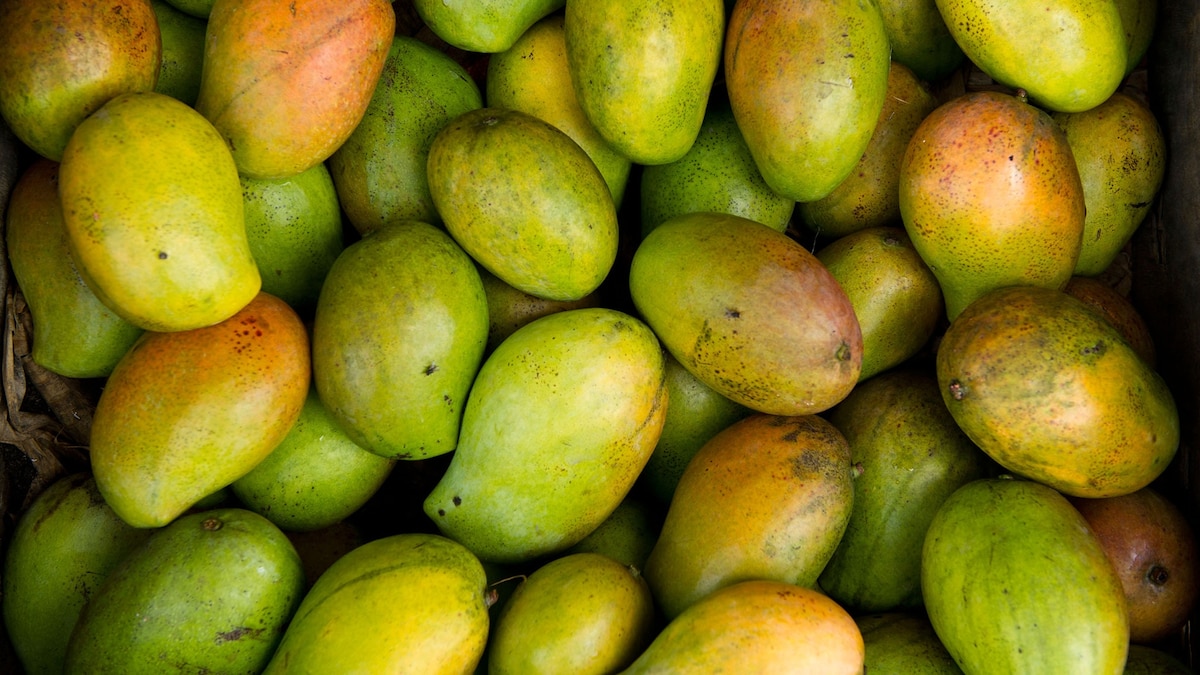
But as traditional staples fail, mango trees—especially in the drier belts of Uyoma in Rarieda and parts of Ugenya and Alego-Usonga—are producing abundantly. Markets in Siaya, Nairobi and other towns are flooded with mangoes at their seasonal peak.
Despite the bumper fruit season, farmers in Siaya are unable to convert this abundance into meaningful income.
National Geographic estimates that Kenya loses 64% of its mango harvest—over 300,000 tonnes annually—due to lack of processing and value addition. Siaya is a textbook example of this tragedy. With drought already erasing incomes from maize and beans, mangoes should have been the county’s financial lifeline.
Instead, tonnes of fruit are now at risk of rotting across villages for lack of storage, aggregation centres, or functional processing channels.
Central to the crisis is Siaya’s only fruit processing facility—the Ramba Fruit Processing Factory in Rarieda.
Launched in 2022 by Governor James Orengo, the factory was widely celebrated as a transformative project meant to add value to mangoes, produce juice and concentrate, stabilise prices, and raise farmer incomes. The project attracted early support from partners including the World Bank.
But as of October 2025, the once-promising plant has fallen into disuse.
Recent reports show the facility sitting idle, its machinery rusting, and its operations paralysed. What was envisioned as Siaya’s agro-industrial heartbeat has now become a desolate relic—unable to process even a fraction of this year’s bumper mango haul.
For farmers, this collapse has turned a season of potential profit into yet another cycle of waste.
The contrast is painful:
Staple crops (maize and beans) have been largely wiped out by drought.
Fruit crops (mangoes) are plentiful but unprocessed and oversupplied in the market.
The only processing plant capable of salvaging value—the Ramba facility—is defunct.
With nowhere to sell or preserve their crop, many Siaya farmers are left with little economic relief during one of the toughest agricultural seasons in recent memory.
Agricultural experts now warn that unless Siaya urgently rehabilitates Ramba Factory or invests in alternative processing solutions, future bumper mango seasons will continue to be wasted opportunities—especially as climate change shifts production patterns and increases reliance on drought-resilient crops like mango.
County officials have been urged to prioritise:
Reviving the Ramba Processing Plant
Installing small-scale mobile fruit dryers in high-production areas
Creating aggregation and cold storage hubs
Partnering with private-sector processors
Training farmers in basic value-addition techniques
Siaya’s 2025 agricultural season is a tale of loss and waste: dried-up maize and bean harvests, overflowing mango trees, and a processing factory that should have saved the situation but instead stands abandoned.
In a county where climate unpredictability is the new normal, the collapse of the Ramba Fruit Processing Factory is not just an infrastructural failure—it is a missed economic lifeline, and a stark reminder that without functioning value addition, bumper harvests mean very little.
Siaya’s farmers have survived the drought. Whether they survive the system is another matter.