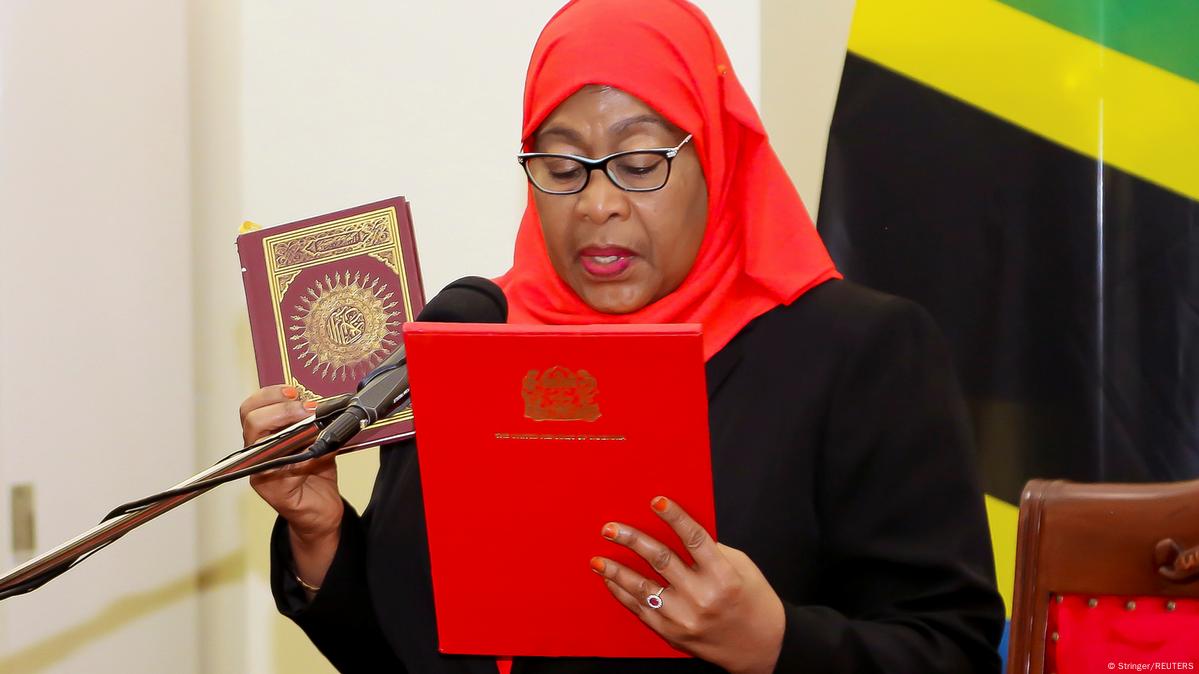
DODOMA, Nov 3, 2025 — A wave of pride and celebration swept across Tanzania’s capital as thousands of citizens and dignitaries from across Africa gathered at Uhuru Stadium to witness the swearing-in of President-elect Samia Suluhu Hassan, the country’s first-ever woman to be democratically elected head of state.
The event, held under clear skies and marked by vibrant displays of Tanzanian culture, symbolized a defining moment in the nation’s history — one that resonated far beyond its borders.
Among the distinguished guests were President Evariste Ndayishimiye of Burundi, President Hakainde Hichilema of Zambia, President Hassan Sheikh Mohamud of Somalia, and Kenya’s Deputy President Kithure Kindiki, alongside other regional leaders, diplomats, and international representatives. Their presence underscored the significance of Suluhu’s victory not only for Tanzania but for women’s leadership across Africa.
In his remarks, President Ndayishimiye lauded Suluhu’s “unwavering spirit of service and grace,” calling her election “a victory for African democracy.” President Hichilema, echoing this sentiment, urged continued regional cooperation and dialogue, saying, “When we have complaints, let’s come to one table only — the dialogue table. That’s the only way to deal with our challenges of any kind.”
Taking the oath of office to thunderous applause, President Suluhu struck a tone of humility and inclusiveness in her inaugural address. She thanked Tanzanians for their confidence in her leadership and vowed to steer the country toward unity, accountability, and growth.
“I am here as a servant of all Tanzanians — men, women, youth, and elders alike. Let us build our country through peace, respect, and honest dialogue,” she declared.
The historic swearing-in marked not only a peaceful democratic transition but also a milestone for gender representation on the continent, inspiring a new generation of women in leadership.
As chants of “Mama Samia! Mama Samia!” filled the stadium, the moment stood as a testament to Tanzania’s democratic maturity — and a proud affirmation that the future of African leadership is more inclusive than ever before.