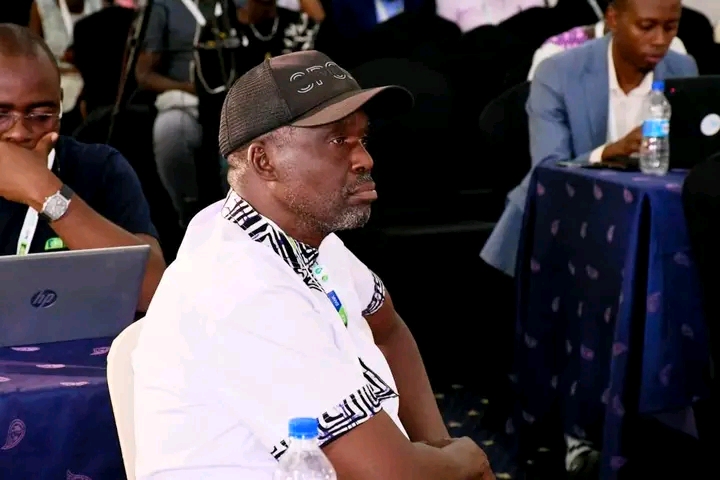
Engineer Nicolas Gumbo’s first year as Chairman of the Kenya Sugar Board, celebrated in November 2025, marks a profound turning point in the restoration of Kenya’s millennia-old sugar industry, which has wrestled with systemic inefficiencies, low productivity, and governance gaps for decades. Since taking office in November 2024, Engineer Gumbo has brought a unique fusion of technical expertise, political savvy, and a steadfast commitment to inclusivity and innovation that has begun to restore faith across the sugar value chain. His tenure has not only halted the sector’s decades-long decline but ignited a renewed vision of sustainability, competitiveness, and improved livelihoods for thousands of farmers and workers. This milestone anniversary is more than a commemoration; it is a celebration of bold reforms, strategic partnerships, and visionary leadership that have positioned the Kenya Sugar Board at the forefront of sectoral revival and economic empowerment.
From the moment he assumed office, Gumbo recognized that addressing Kenya’s sugar sector challenges required systemic, structural change both within the Board and across the industry. Early on, he spearheaded the digitization of Board functions, including licensing, payments, and regulatory oversight, curbing opportunities for corruption that previously deprived farmers of timely and fair payments. This transformation fostered enhanced operational transparency, accountability, and efficiency, factors critical in reviving investor confidence and restoring trust among sugarcane farmers and millers. Recognizing that policy frameworks were outdated and fragmented, Gumbo championed the passage of the Sugar Act 2024, a modern legislative milestone designed to streamline licensing, enforce fair pricing mechanisms, and strengthen dispute resolution processes. This new legal framework has created a more predictable, investor-friendly environment, crucial for attracting private sector involvement and securing the sector’s long-term sustainability.
One of the hallmark achievements during Gumbo’s first year was orchestrating the leasing of five state-owned sugar mills to private sector operators, a move that signaled a paradigm shift from prolonged public sector mismanagement towards dynamic private sector-led revival. These mills, including Muhoroni and South Nyanza, had languished due to inefficiency and financial difficulties, but their leasing has rejuvenated operations, with crushing capacity increasing from 7,000 to 11,000 tonnes of cane per week by September 2025. Plans to have all leased mills fully operational by October underscore the rapid pace of recovery. This revival has translated into tangible social and economic benefits: thousands of jobs have been saved and created, rural economies revitalized, and Kenya’s dependency on imports sharply curtailed—playing a crucial role in protecting the country’s foreign exchange reserves. At Sony Sugar, Gumbo guided the formulation of a comprehensive strategic plan targeting a 55% hike in cane production and a tripling of milling capacity by 2029, underscoring a commitment to catalytic infrastructure investment as a bedrock for growth.
Innovation and research have been central to Gumbo’s leadership philosophy. He launched the Kenya Sugar Research, Training and Innovation Institute (KESRETI), an ambitious initiative designed to optimize the sector’s productivity and climate resilience. KESRETI focuses on developing and disseminating high-yield, pest-resistant sugarcane varieties tailored to Kenya’s varied agro-ecological zones. Through extensive farmer training, the institute also promotes sustainable farming practices and technology adoption, including the use of drones for agricultural mapping and quality-based payment structures to motivate improved yield and sugar content. Gumbo has further diversified the industry’s revenue streams through enhanced utilization of sugarcane by-products. Bioethanol production and renewable energy projects have been expanded, supporting the government’s green energy agenda and providing much-needed electricity to rural communities. These initiatives not only mitigate the sector’s environmental footprint but also create value-added products that stabilize income for farmers and millers alike.
Collaboration and stakeholder engagement have been pillars of Gumbo’s management style. Throughout the year, he galvanized support from farmers’ unions, mill owners, government agencies, and development partners to build consensus around reform measures and jointly tackle operational challenges. A notable achievement is the resolution of wage delays for sugar industry workers, a longstanding grievance that hindered morale and productivity. By facilitating dialogue and advocating for government subsidies and financial support, Gumbo helped normalize salaries, thereby stabilizing workforce relations. The Board also successfully hosted exhibitions and forums, including its presence at events in Mombasa, showcasing the sector’s progress and sharing plans for future growth. The one-year anniversary itself was celebrated with public acknowledgment of the gains in governance, regulatory efficiency, and industry revitalization, reinforcing optimism and renewed commitment across the sector.
Despite these commendable strides, ongoing challenges remain. Full stabilization of all sugar mills continues to require careful management, and the goal of significantly reducing sugar imports to achieve near self-sufficiency is still a work in progress. Nevertheless, Gumbo’s open and transparent communication strategy has built broad-based trust, as he candidly discusses sectoral constraints while offering phased solutions. His pragmatic approach balances immediate operational improvements with medium-to-long-term strategic planning, earning him respect across political, farming, and business communities. Beyond supply metrics, Gumbo’s leadership has rekindled hope in the sugarcane-growing regions of Western Kenya, where the industry underpins socio-economic welfare and the livelihoods of countless families. This resurgence is mirrored in increased investment in rural infrastructure, youth employment opportunities, and women’s economic empowerment initiatives linked to the sugar belt.
Looking ahead, Engineer Gumbo’s roadmap focuses on consolidating gains and pursuing future-oriented objectives. Key among these is the sector’s drive towards sugar self-sufficiency through enhanced productivity and mill modernization, increasing exports via quality and efficiency improvements, and deepening climate-smart agriculture through KESRETI’s research outputs and farmer adoption programs. The Board is also pursuing partnerships for clean energy projects and exploring innovative financing models to strengthen mill operations and cane out-grower schemes. Flexible regulation and vigilant oversight will remain critical as Kenya positions its sugar industry as competitive on regional and global stages.
In conclusion, Engineer Nicolas Gumbo Wajonya’s first year as Chairman of the Kenya Sugar Board demonstrates how visionary leadership, combined with technical acumen and inclusive governance, can turn around a historically troubled sector. His tenure has rekindled hope, activated innovation, and laid a solid foundation for sustained growth that benefits farmers, workers, consumers, and the national economy. As the sugar industry continues its transformation under his guidance, it stands as a shining example of how public institutions can successfully align policy, practice, and innovation to drive economic revitalization. Gumbo’s leadership legacy is already etched in the tangible improvements witnessed in Kenya’s sugar sector, heralding a future of resilience, prosperity, and global competitiveness.
James Kilonzo Bwire is a Media and Communication Practitioner.