
 ADVERT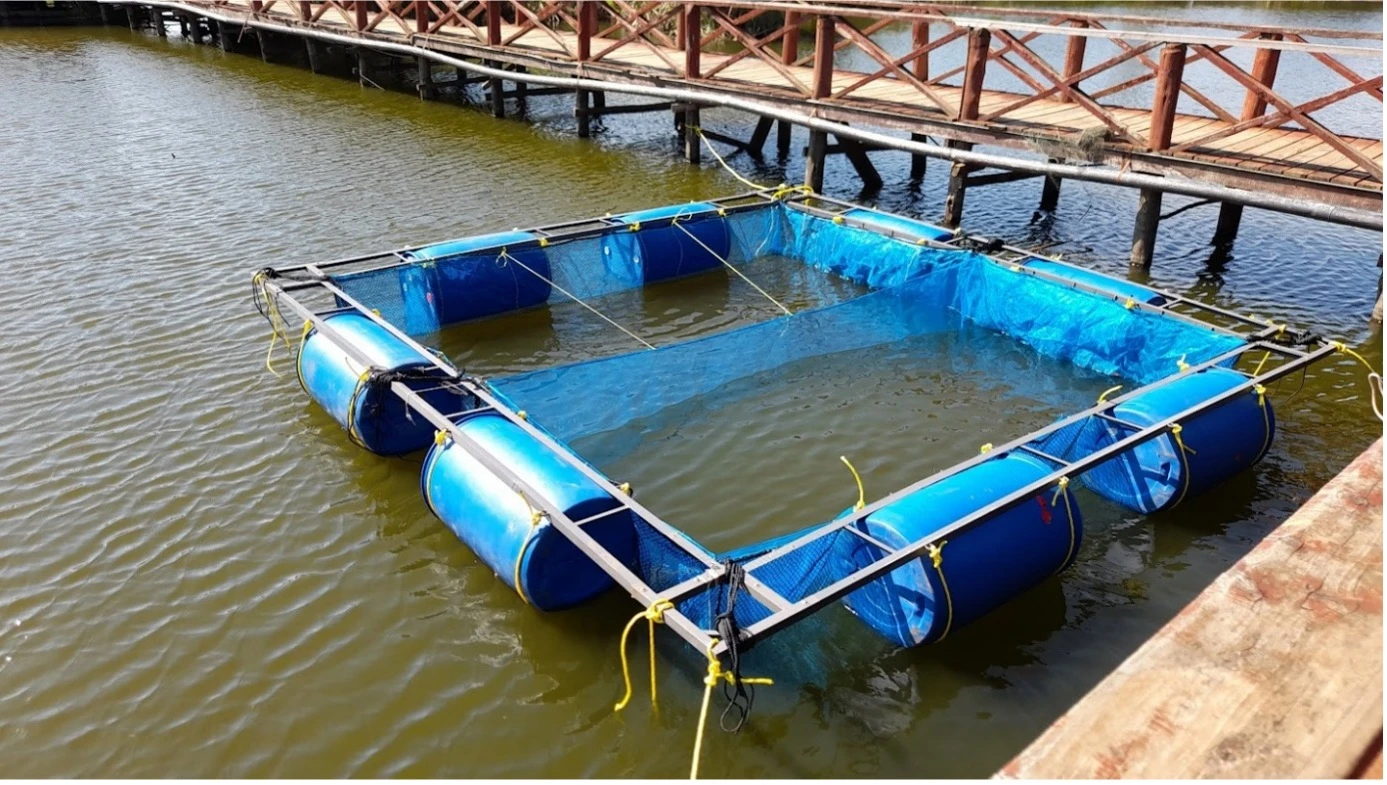
Nearly a year after Kenya secured a KSh 16.4 billion concessional loan from the International Fund for Agricultural Development (IFAD), the country’s flagship climate programme is yielding visible gains on the ground—yet fresh concerns are emerging over sustainability, local ownership, and the long-term viability of community-led projects.
The Integrated Natural Resources Management Programme (INReMP), spearheaded by Treasury Cabinet Secretary John Mbadi, has rolled out across several counties including Kisumu, Kakamega, Homa Bay, Migori, Kericho, and West Pokot. Early wins have been recorded in climate-smart agriculture, tree planting, and green enterprise development—key pillars aligned with the environmental vision of William Ruto.
Farmers have embraced sustainable practices such as agroforestry and water harvesting, while women and youth groups have ventured into beekeeping, aquaculture, and organic farming. In several regions, degraded ecosystems are slowly being restored, and alternative livelihoods are beginning to take root.
However, beneath the optimism lies a growing unease among climate experts and development practitioners. Questions are increasingly being raised about whether grassroots beneficiaries—particularly small community groups—have the capacity to sustain projects once initial funding and technical support taper off.
Lessons from earlier climate financing mechanisms, including the Financing Locally Led Climate Action (FLLoCA) framework, suggest a worrying trend. Several beneficiary groups, while successful in accessing funds, have struggled with project continuity, financial management, and scaling of impact. In some cases, initiatives have stalled shortly after launch, raising red flags about long-term resilience.
This sustainability gap, experts warn, risks undermining the broader objectives of climate financing—turning what should be transformative investments into short-lived interventions.
Among the most vocal critics is Siaya-based climate change expert David Oremo, who has taken to multiple public forums to highlight structural weaknesses at the county level. Dr. Oremo argues that despite the influx of climate funds, local governments have yet to fully institutionalize climate action frameworks necessary for lasting impact.
He has particularly faulted county authorities for failing to establish functional village climate councils—grassroots governance structures seen as critical in anchoring community ownership and unlocking access to global climate financing streams.
Without such structures, Dr. Oremo warns, counties risk missing out on additional funding opportunities while also weakening accountability and coordination at the local level.
“Climate action cannot be outsourced to donors and short-term projects,” he has repeatedly cautioned in public engagements. “Counties must take ownership by building systems that empower communities beyond the lifecycle of funded programmes.”
The concerns point to a deeper issue: the gap between funding and institutional readiness. While Kenya has demonstrated success in attracting climate finance, translating that capital into durable, locally owned systems remains a work in progress.
Analysts note that sustainable impact will depend not just on disbursement, but on governance—how well counties integrate climate action into their development plans, support community structures, and enforce accountability mechanisms.
As INReMP enters its next phase, pressure is mounting on both national and county governments to address these emerging weaknesses. Strengthening local institutions, enhancing capacity for community groups, and formalizing grassroots governance structures will be key to ensuring that billions invested today deliver lasting returns.
Kenya’s climate ambition remains one of the most progressive in Africa. But as the latest developments show, the real test lies not in securing funds—but in sustaining impact long after the money is spent.
