
 ADVERT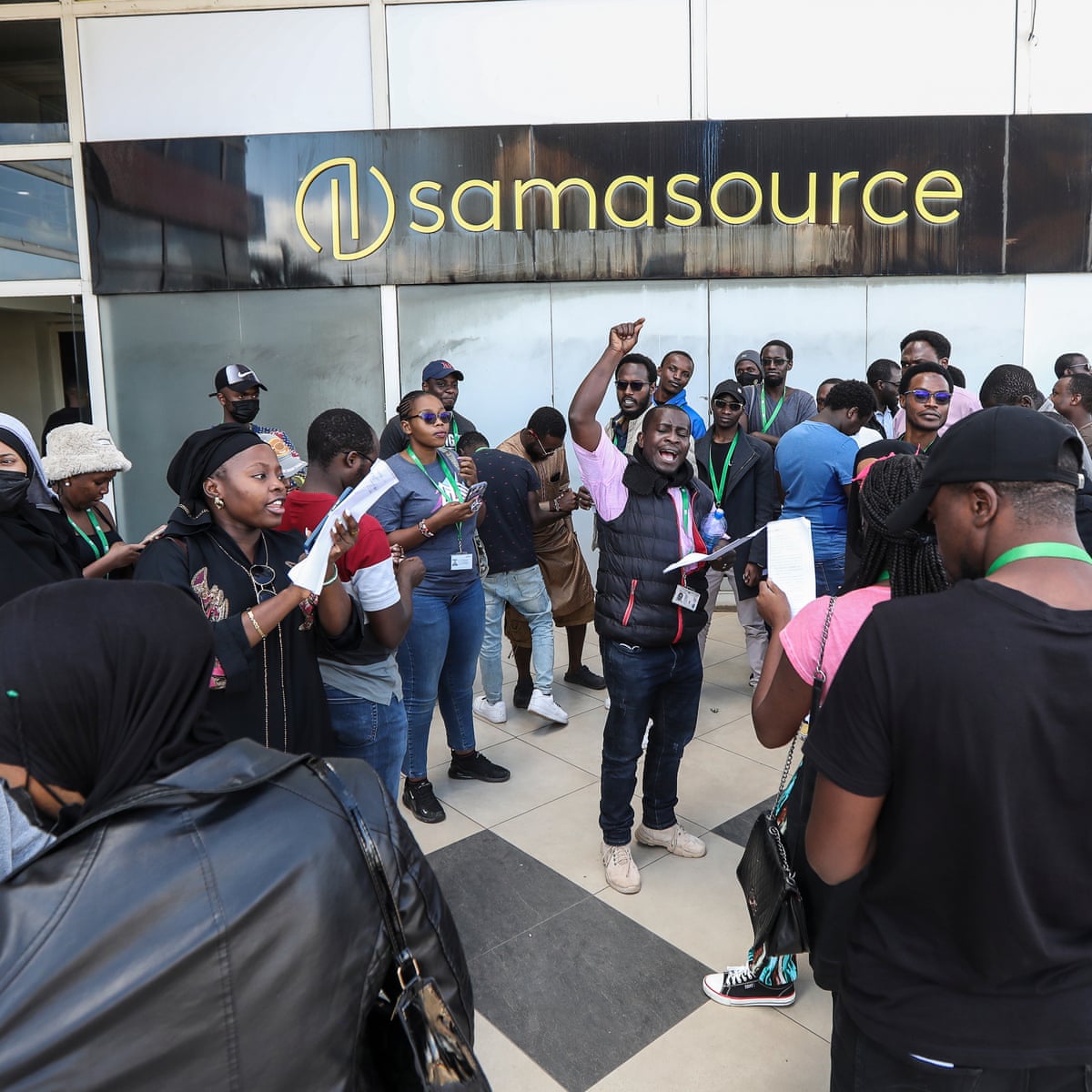
More than 1,000 Kenyan workers have been abruptly dismissed after tech giant Meta terminated a key outsourcing contract with Nairobi-based firm Sama, triggering fresh concerns over job security, labour rights, and the ethical cost of artificial intelligence (AI) work in the Global South.
The sweeping layoffs, announced with just days’ notice, have sent shockwaves through Kenya’s growing digital economy, exposing the fragile underbelly of outsourced tech jobs that power some of the world’s biggest platforms. Many of those affected were engaged in content moderation and AI data annotation—roles critical to training algorithms but often carried out under intense psychological strain.
The contract termination follows troubling allegations that Kenyan workers were required to review highly sensitive and explicit footage captured by Meta’s AI-powered smart glasses. Reports indicate that some employees were exposed to deeply private scenes, including intimate and distressing content, raising serious ethical and privacy concerns.
Meta, led by CEO Mark Zuckerberg, defended its processes, stating that human review is necessary to improve AI systems and is conducted with user consent. However, the company confirmed it had ended its partnership with Sama, citing failure to meet its standards.
Labour advocates have condemned the layoffs as “devastating,” noting that affected workers were given minimal notice and now face uncertain futures. Oversight Lab, a group pushing for ethical tech practices in Africa, has stepped in to advise workers on possible legal action.
“This is not just one company’s problem—it reflects a systemic imbalance in the global AI economy,” said a former Sama employee, pointing to how power remains concentrated in multinational tech firms while risks are outsourced to lower-income countries.
The latest layoffs come against a backdrop of longstanding concerns about the mental health toll of content moderation work. In a previous legal case, dozens of Kenyan moderators alleged suffering from severe psychological conditions—including PTSD, anxiety, and depression—after prolonged exposure to graphic online material.
Despite Sama’s insistence that it provides fair wages, medical cover, and counselling services, critics argue that such safeguards are insufficient given the nature of the work and the abruptness of the job cuts.
The incident raises urgent questions about Kenya’s positioning in the global AI value chain. Once hailed as a hub for digital outsourcing and innovation, the country now faces scrutiny over whether it is offering its young workforce opportunity—or exploitation.
Analysts warn that without stronger labour protections and regulatory oversight, Kenya risks becoming a cautionary tale rather than a success story in the fast-growing AI sector.
As AI continues to reshape industries worldwide, the fallout from Meta’s decision underscores a stark reality: while innovation may be global, its human costs are often borne locally.
For the more than 1,000 Kenyan workers now out of a job, the promise of the digital economy has given way to a harsh lesson in its unpredictability—and the urgent need for fairer, more accountable systems.
