
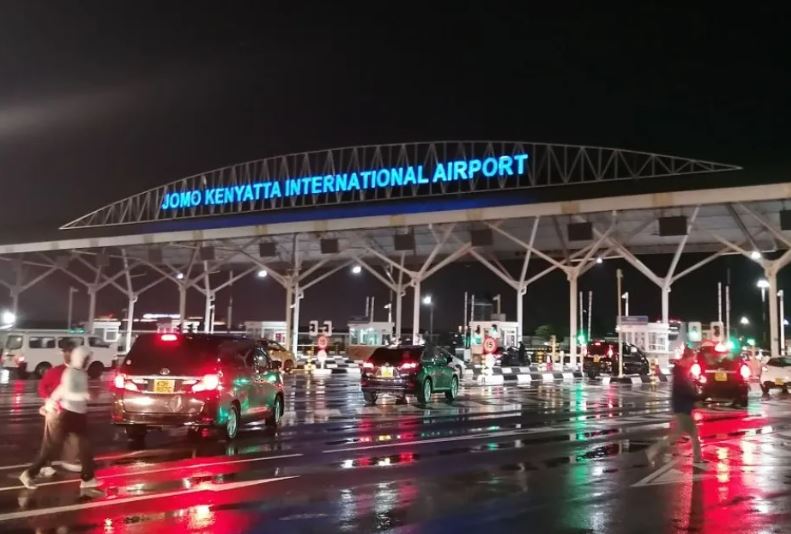
 The Kenya Airports Authority (KAA) is preparing to enter the digital ride-hailing arena, launching its own mobile platform at Jomo Kenyatta International Airport (JKIA). This strategic move aims to reclaim a share of the airport transport market currently dominated by global giants like Uber and Bolt.
KAA recently moved to finalize a tender for the design and management of this mobile and web-based application. Operated under a public-private partnership, the platform will allow the authority to share in the revenue generated from every trip. With the tender process wrapping up on February 26, 2026, travelers can expect a fast-tracked rollout in the coming months.
The service will initially cater to officially regulated yellow airport taxis. Passengers will have the convenience of booking vetted drivers through a dedicated mobile app, a web portal, or physical kiosks located within the airport terminals.
Safety and Efficiency through Geofencing
To address long-standing security and congestion issues, the app will utilize advanced geofencing technology. This feature restricts taxi operations to designated ranks, ensuring only authorized vehicles pick up passengers.
The platform will offer several high-tech features, including:
- Real-time fare estimates to prevent overcharging.
- Live vehicle tracking for enhanced passenger safety.
- Automated dispatch to manage driver queues efficiently.
- Instant trip notifications sent directly to travelers’ phones.
Beyond Rides: The Future “Super App”
The vision for this platform extends far beyond simple taxi hailing. KAA’s tender documents suggest the app could eventually evolve into a comprehensive digital concierge. Future updates may integrate services like lounge reservations, duty-free shopping, parking management, and real-time flight information.
This initiative signals a shift in how KAA monetizes airport movement. By converting JKIA into a digital marketplace, the authority seeks to create new revenue streams while improving the overall passenger experience.
However, the move could disrupt the status quo for existing ride-hailing drivers. With JKIA handling approximately 8.6 million travelers annually, the stakes are high for both the state-backed newcomer and the established global players currently servicing the airport’s transport needs.