
 ADVERT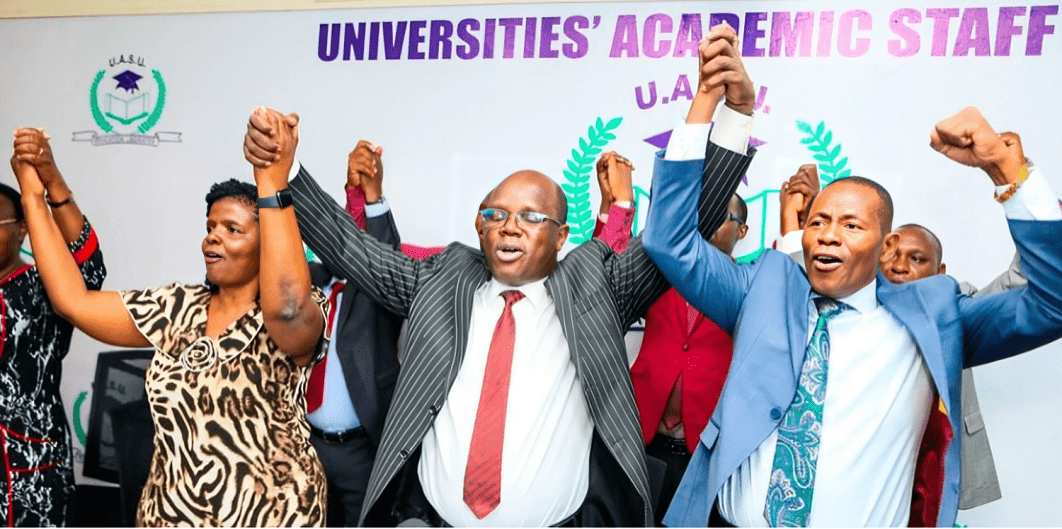
A fresh storm is brewing in Kenya’s higher education sector after university lecturers protested a new retirement structure introduced by the Public Service Commission (PSC), warning that the changes could disrupt career progression and destabilize staffing in public universities.
Academic staff across the country have raised alarm over the directive, which restructures retirement ages for lecturers and researchers based on academic rank. While government officials say the move is meant to harmonize retirement policies in the public service and retain experienced scholars, lecturers argue that the policy was introduced with little consultation and could create confusion in an already strained university system.
Under the new structure, professors and associate professors will retire at 70 years, while persons living with disabilities in those ranks may serve until 75. Senior lecturers and lecturers will retire at 65 years, while assistant lecturers, tutorial fellows and other junior academic staff will exit at 60. Non-teaching university staff will continue to retire at the standard public service age of 60, or 65 for employees living with disabilities.
The differentiated retirement age has unsettled many academics who say it risks slowing promotions and locking younger scholars out of opportunities for advancement. Some lecturers fear that extended service for senior academics could limit openings for newly trained PhD holders seeking entry into university teaching.
Others argue that the sudden restructuring may also affect pension planning for staff who had mapped out their careers under the previous retirement framework.
The protests come at a time when Kenya’s universities are already grappling with financial difficulties, staff shortages and mounting pressure to expand access to higher education. Many institutions are struggling to balance rising student enrolment with limited resources and a shrinking wage bill.
Government officials, however, insist the changes are aimed at strengthening the academic system by retaining experienced scholars who can continue to contribute to teaching, research and mentorship.
According to the commission, extending the service period for senior academics will help preserve institutional memory and ensure universities benefit from the expertise of seasoned professors whose experience remains critical to research and postgraduate training.
But lecturers maintain that reforms affecting careers and pensions must be carefully negotiated with stakeholders to avoid unintended consequences.
As tensions simmer, the retirement age dispute has emerged as the latest flashpoint between university staff and government regulators, underscoring the delicate balance between maintaining experience in academia and creating space for the next generation of scholars.