
By Nicholas Odhiambo Goody Migot
NAIROBI, Kenya — In the digital age, the most valuable resource for a Kenyan is no longer just land or cattle; it is their data. Yet, for too long, our most sensitive information—our health records and humanitarian identities—has been treated like a commodity harvested by global entities, often processed far from our shores with little regard for our local security.
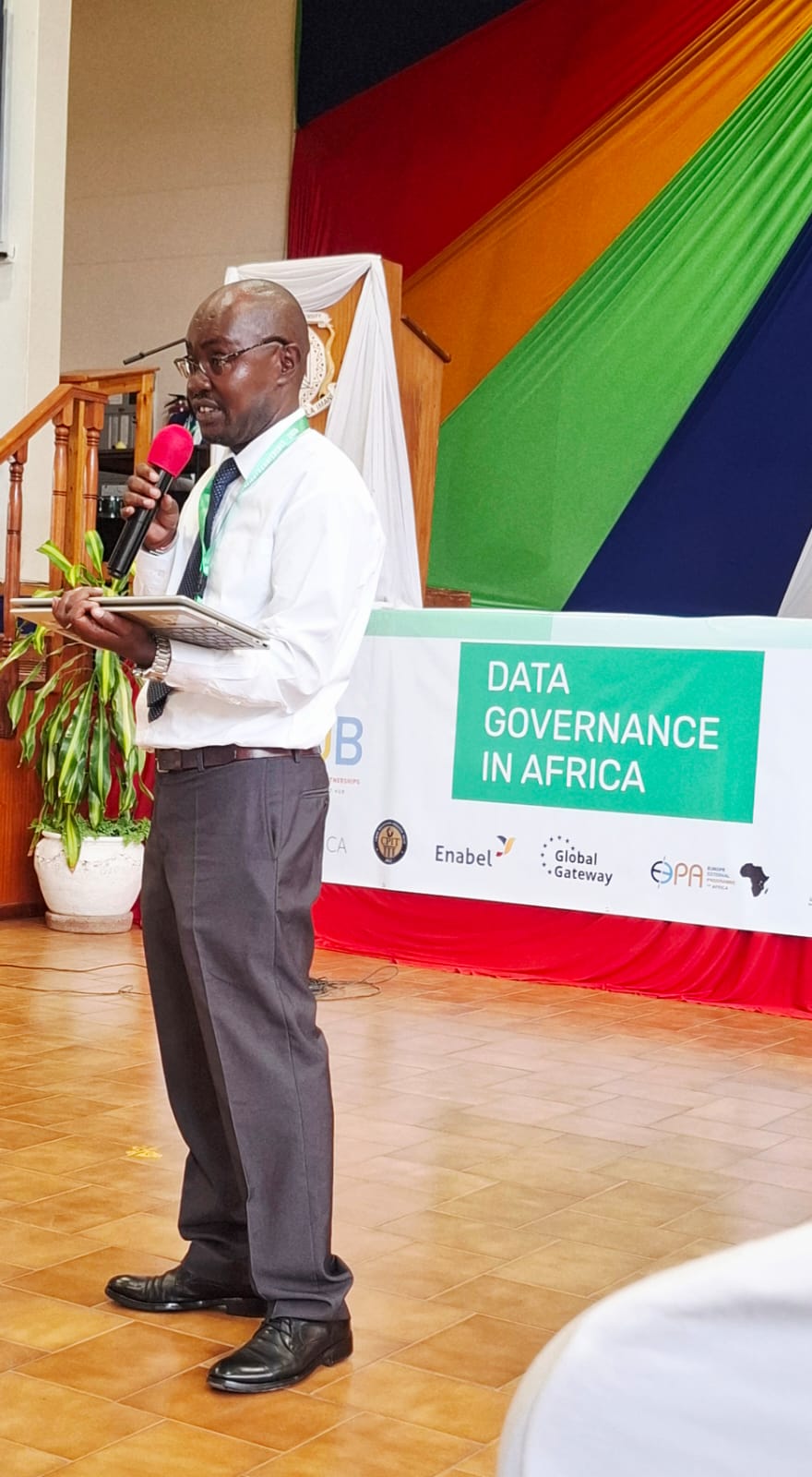
The recent signing of the Nairobi Declaration on Sensitive Data Sovereignty at Tangaza University marks a turning point. As a facilitator at the conference, I witnessed a collective realization: Africa can no longer afford to be a “data colony.” If we do not own our data, we cannot control our future.
The Fraud Crisis in Silence Nowhere is this more urgent than in our health and humanitarian sectors. We often hear of “ghost beneficiaries” in aid programs or fraudulent insurance claims that bleed our healthcare system dry. These are not just administrative errors; they are the result of fragmented, foreign-hosted data systems that lack local oversight.
During our breakout sessions on digital fraud prevention, a clear truth emerged: Fraud thrives in the shadows of “disconnected” data. When donor-funded programs use siloed apps that don’t talk to each other, malicious actors find the gaps.
Operationalizing the Solution To fix this, we must move beyond policy talk and into technical action. In my time as an ICT leader, I have seen that the best infrastructure in the world is useless if it is not “operationalized.” In Kisumu County, we took idle Tier 2 Server Infrastructure and breathed life into it to automate revenue and land management.
We must do the same for our health data. By localizing our servers and using FAIR OLR principles (Ownership, Localization, and Regulatory compliance), we ensure that:
The Citizen Owns the Identity: No more ghost recipients.
The State Owns the Jurisdiction: Fraud can be prosecuted under Kenyan law because the evidence is stored here.
The Security Mandate At the Crime Prevention Initiative Trust (CPIT), we believe that “Security by Design” is a human right. As we build the African Health and Humanitarian Data Space, we must integrate fraud prevention into the very code we write.
We must shift our mindset. Data sovereignty isn’t just about keeping files in a cabinet in Nairobi; it’s about ensuring that every byte of information serves the person who generated it. It is time for Kenya to lead the way in ensuring that our digital borders are as secure as our physical ones.
The writer is the ICT Manager at the Crime Prevention Initiative Trust (CPIT) and a former ICT Director for Kisumu County.