
 ADVERT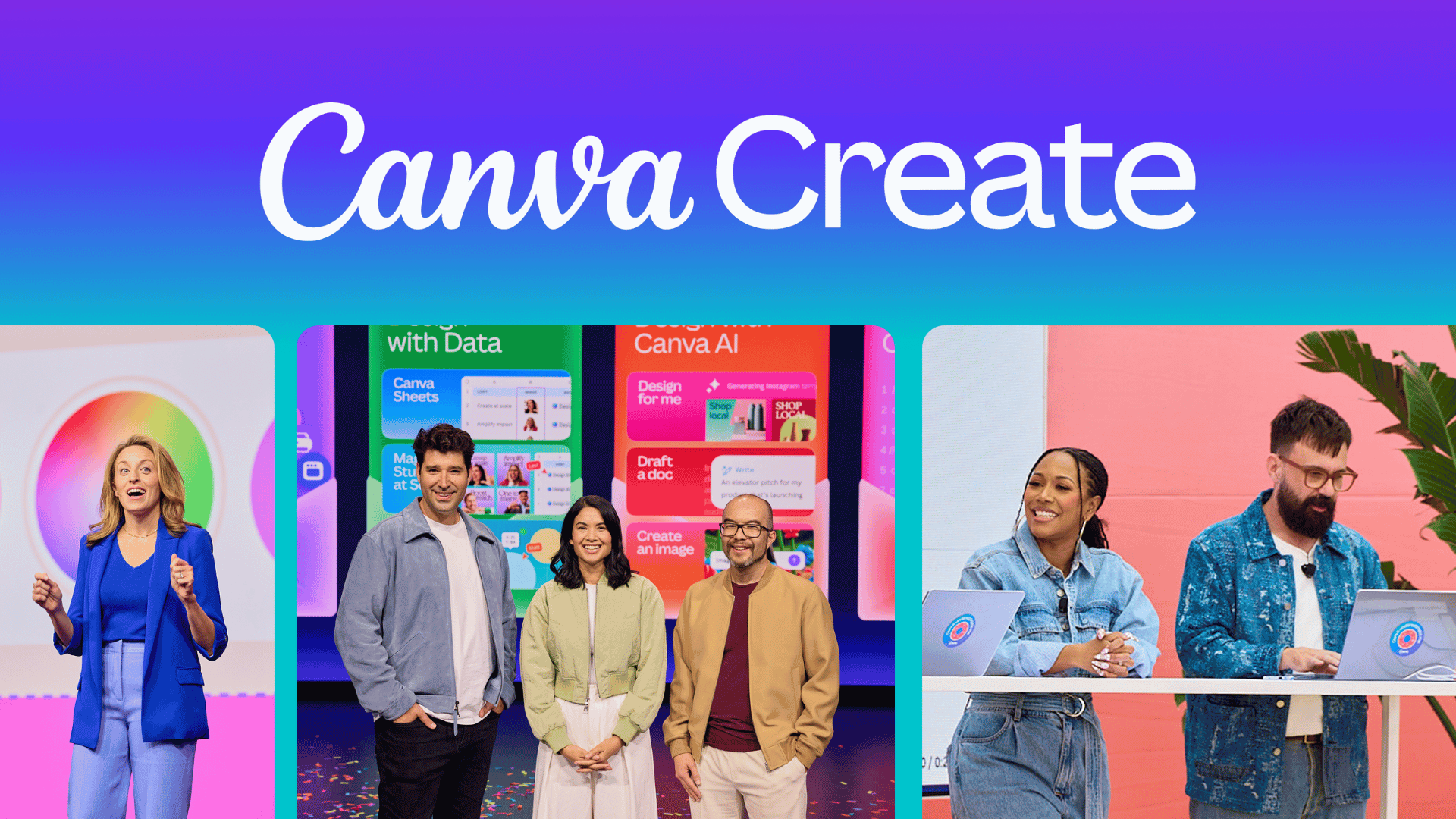
As artificial intelligence rapidly transforms workplaces across the world, a simple but powerful question is emerging for professionals: What is your job, really?
That was the challenge posed by independent technology analyst Benedict Evans to a packed audience of graphic designers, marketers and startup founders at the Canva Create Conference. His message was clear: to understand whether AI will replace your job, you must first understand the true value of what you do.
Evans argued that many professions are far more complex than the routine tasks often associated with them. Technology may automate parts of a job, but it rarely replaces the deeper human value behind it.
He pointed to the historical example of the invention of spreadsheet software. When digital spreadsheets first emerged, many feared that accountants would become obsolete. Instead, the profession expanded. U.S. census data shows the number of accountants and auditors increased by about 60 percent in the decade following the introduction of spreadsheet tools.
The reason, Evans explained, is that accounting was never simply about adding numbers. Accountants provide experience, professional judgment, credibility, and interpretation — the human insight needed to translate data into decisions. In other words, spreadsheets automated calculations, but they amplified the need for people who could understand and apply the results.
However, not every job evolves in the same way.
Evans contrasted the accountants’ story with that of elevator operators. In the early 20th century, elevators required human operators to manually control the machinery and guide passengers between floors. Once automatic electric elevators became reliable and widely adopted in the mid-1900s, the role disappeared almost overnight. The job existed solely to perform a function that technology could eventually execute more efficiently.
Evans described this as the “perfect case of automation.” Once the technology worked, society stopped thinking about whether elevators were automated or not.
“That’s probably how it will work with AI,” he told the audience. “Once it works, it’s not AI anymore. It’s just software.”
For modern workers, the lesson is less about fearing technology and more about understanding the real value they bring to clients and organizations. If a job is defined purely by routine output, automation may replace it. But if it involves creativity, judgment, trust, curation, or interpretation, technology may simply become another tool.
In Evans’ view, the key question every professional must now ask is not whether AI can perform their tasks, but whether customers are buying something deeper than the task itself.
“Do they want something other than just automating the answer?” he asked.
As artificial intelligence becomes embedded in everything from design software to marketing analytics and business strategy, the future of work may not be about humans versus machines. Instead, it will be about identifying the uniquely human value that technology cannot easily replicate — and building careers around it.