
 ADVERT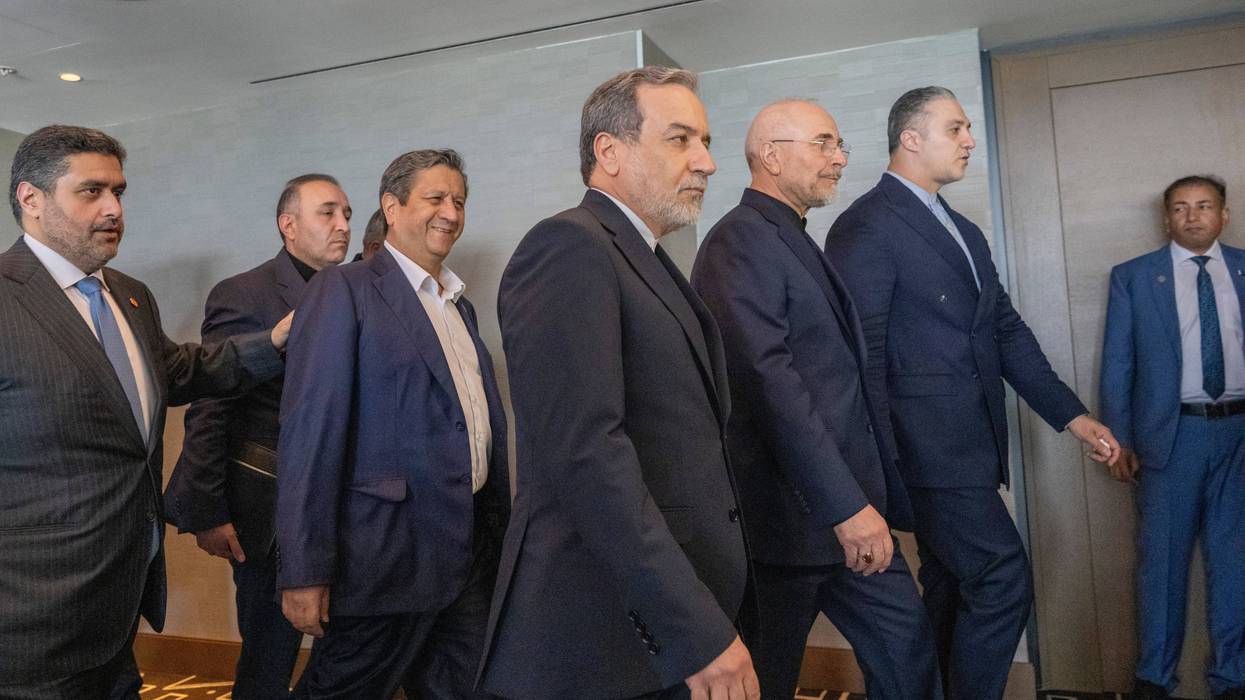
A fragile but potentially historic diplomatic breakthrough has emerged after marathon 18-hour high-level talks between the United States and Iran, with negotiators agreeing on a 60-day roadmap toward a final peace deal under the Islamabad Memorandum of Understanding (MoU).
Top Iranian officials have since departed Switzerland for Tehran, leaving behind a technical team to continue detailed negotiations — a clear sign that talks are shifting from political signalling to substantive deal-making.
Mediators Pakistan and Qatar confirmed that both Washington and Tehran made “encouraging progress” during the first round of face-to-face discussions, despite early tensions and lingering mistrust.
The breakthrough includes:
– Agreement on a structured 60-day timeline to finalize a comprehensive deal
– Establishment of a high-level oversight committee
– Continuation of technical negotiations in Switzerland
The talks mark the most significant diplomatic engagement between the two adversaries since the outbreak of the 2026 conflict, which destabilised the Middle East and disrupted global energy markets.
The ongoing negotiations are rooted in the Islamabad Memorandum of Understanding, a framework brokered earlier through Pakistani mediation after months of war and failed ceasefire efforts.
Under this framework, negotiators are tackling some of the most contentious issues in US–Iran relations, including:
– Iran’s nuclear programme
– Sanctions relief and frozen assets
– Security in the Strait of Hormuz
– Regional tensions, particularly in Lebanon
The MoU also envisions mechanisms to prevent military escalation, including maritime safety guarantees and coordinated de-escalation channels.
Key Gains: Oil, Security, and De-escalation
Early concessions signal cautious optimism. Iranian officials say discussions have already yielded:
– Temporary waivers on oil and petrochemical exports
– Movement toward releasing frozen Iranian assets
– Plans for reconstruction and economic recovery
Meanwhile, both sides agreed to establish a communication line to secure shipping through the Strait of Hormuz, a critical global oil route that had been disrupted during the conflict.
A proposed “deconfliction cell” on Lebanon also aims to reduce hostilities involving Iran-backed groups and US allies — a major flashpoint in the wider regional crisis.
Markets responded swiftly to the diplomatic thaw. Oil prices dipped as fears of prolonged supply disruptions eased, highlighting the global economic stakes tied to the talks.
Roughly 20% of global energy supplies transit the Strait of Hormuz, making any agreement critical not just for the Middle East but for worldwide economic stability.
Despite the optimism, major hurdles remain. Deep divisions persist over:
– Uranium enrichment limits
– Verification by international inspectors
– The scope and sequencing of sanctions relief
Political tensions also continue to threaten progress, with hardline rhetoric and regional conflicts — especially involving Israel and Hezbollah — complicating negotiations.
With senior negotiators returning to Tehran and technical teams staying behind in Switzerland, the process now enters a decisive phase.
The next 60 days will determine whether this diplomatic opening evolves into a lasting peace framework — or joins a long list of failed US–Iran rapprochement efforts.
For now, the message from mediators is clear: momentum exists, but the clock is ticking.
