ADVERT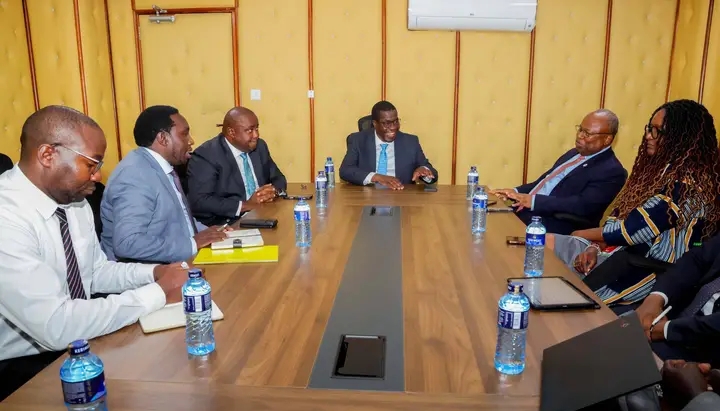
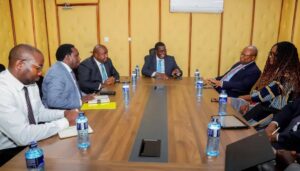
Cabinet Secretary Opiyo Wandayi received a briefing on the progress of the 400kV Lessos Loosuk and 220kV Kibos Kakamega Musaga transmission line projects, key investments aimed at strengthening Kenya’s national grid and improving the reliability and efficiency of electricity supply. This development marks a critical step in the government’s commitment to modernizing the energy infrastructure that underpins the country’s economic ambitions. As the Cabinet Secretary for Energy and Petroleum, Wandayi’s engagement with these projects underscores the administration’s focus on addressing longstanding challenges in power transmission, where current limitations have hindered the full potential of Kenya’s growing energy generation capacity. The briefing highlighted that implementation readiness activities are currently underway ahead of the commencement of construction works, signaling that these initiatives are moving from planning to tangible action. In a nation where reliable electricity remains essential for industrial operations, household needs, and public services, Wandayi’s oversight ensures that these transmission lines become pillars of a more stable and inclusive energy system.
The thematic heart of these projects lies in their role to enhance the evacuation of renewable energy sources, a priority that aligns directly with Kenya’s broader energy policy goals. Renewable energy, drawn from geothermal, hydro, wind, and solar installations across various regions, generates substantial power that must reach consumers without undue delays or losses. The Lessos Loosuk and Kibos Kakamega Musaga lines address this by creating robust pathways for electricity to flow from generation points to demand centers, particularly in Western and Northern Kenya. Wandayi’s briefing reception emphasizes how such infrastructure resolves bottlenecks that currently prevent optimal utilization of clean energy resources. Without these transmission upgrades, renewable power risks curtailment, where generated electricity goes unused due to grid constraints. By prioritizing evacuation, the government positions Kenya to maximize its renewable investments, ensuring that sustainable energy contributes meaningfully to the national supply mix. This approach not only supports environmental objectives but also reinforces energy security, as a grid capable of handling diverse renewable inputs reduces dependence on variable or imported fuels.
Reducing transmission losses stands as another central theme in the advancement of these projects under Wandayi’s purview. Electricity traveling long distances through aging or inadequate lines dissipates energy as heat, which inflates costs and diminishes supply quality for end users. The new 400kV and 220kV lines introduce higher voltage corridors designed to minimize such losses, allowing more power to arrive at its destination intact. Wandayi’s active involvement, as demonstrated in the briefing, signals a deliberate strategy to elevate transmission efficiency as a cornerstone of affordable electricity provision. This efficiency gain benefits industries by lowering operational costs, enabling them to compete more effectively in regional and global markets. For households and small businesses, it translates to steadier supply and potentially reduced tariffs over time. The focus on loss reduction reflects a pragmatic recognition that infrastructure modernization must deliver immediate and measurable improvements in energy delivery, fostering trust in the sector’s management and encouraging further private sector participation.
Strengthening grid stability emerges as a vital subject intertwined with Wandayi’s leadership on these initiatives. Kenya’s national grid has faced vulnerabilities from overloads, faults, and fluctuating demand, leading to outages that disrupt daily life and economic activities. The Lessos Loosuk and Kibos Kakamega Musaga projects bolster stability by interconnecting regions more securely, distributing load more evenly, and accommodating growth in power consumption. During the briefing, Wandayi assessed how these lines will integrate with existing infrastructure to create a more resilient network, capable of withstanding disruptions and supporting peak loads. This stability enhancement is particularly crucial for Western and Northern Kenya, where expanding electrification efforts demand reliable backbone transmission. Wandayi’s emphasis on grid fortification ensures that the projects do not merely add capacity but fundamentally upgrade the system’s robustness, safeguarding against blackouts and enabling seamless power sharing across counties.
These transmission developments under Wandayi’s watch pave the way for industrial growth, a theme that resonates with Kenya’s vision for economic transformation. Reliable and efficient electricity supply acts as a catalyst for manufacturing, agro processing, and other value adding sectors, which require uninterrupted power to thrive. The projects target areas in Western Kenya with untapped industrial potential, where enhanced grid access can spur factory setups, job opportunities, and local revenue generation. Wandayi’s briefing engagement highlights the government’s intent to link energy infrastructure directly to developmental outcomes, positioning the grid as an enabler of Bottom Up Economic Transformation Agenda pillars. By improving supply reliability, the lines reduce business risks associated with power interruptions, attracting investments that drive productivity and export capabilities.
Expanded access to affordable electricity forms the culminating theme of these initiatives, with Wandayi’s role ensuring equitable benefits nationwide. Completion of the Lessos Loosuk and Kibos Kakamega Musaga lines will extend reliable power to underserved communities in Western and Northern Kenya, supporting last mile connections and off grid synergies. The ongoing readiness activities, as briefed to Wandayi, prepare the ground for construction that prioritizes affordability through efficient transmission and renewable integration. This access expansion aligns with universal electrification targets, empowering rural economies, schools, health facilities, and households. Wandayi’s oversight guarantees that the projects deliver on promises of inclusivity, bridging urban rural divides and fostering nationwide prosperity.
In weaving these projects into Kenya’s energy narrative, Cabinet Secretary Opiyo Wandayi demonstrates strategic foresight. The briefing on their progress reaffirms that government action on transmission infrastructure directly advances renewable evacuation, loss reduction, grid stability, industrial expansion, and affordable access. As construction nears, these lines promise a transformed national grid, ready to power Kenya’s next phase of growth.