
 ADVERT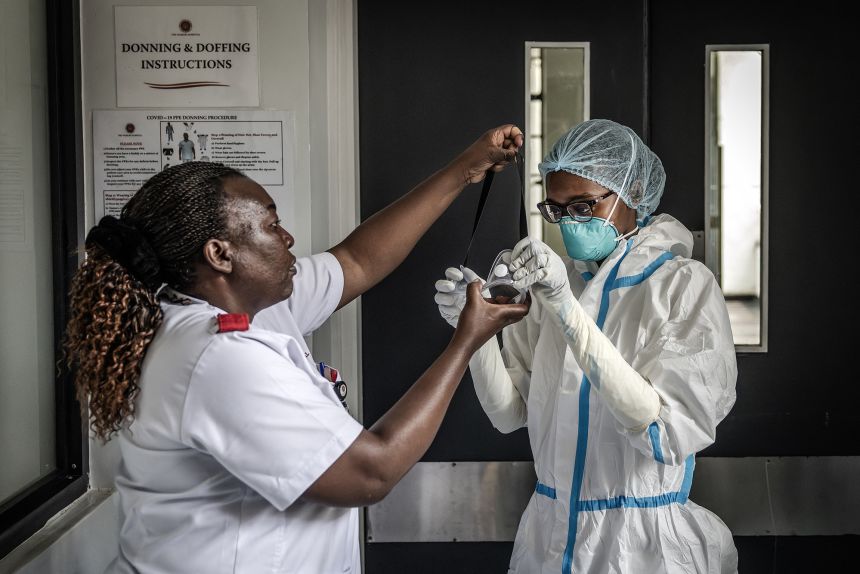
Health authorities report encouraging progress after the country’s first imported infection, with hundreds of thousands of travellers screened and emergency response teams on high alert.
Kenya has reported no new Ebola infections since confirming its first imported case on October 6, offering a measure of relief as health authorities intensify surveillance, contact tracing and emergency preparedness to prevent further transmission.
As of Sunday, October 11, Health Cabinet Secretary Aden Duale said 108 people who had contact with the deceased patient were in quarantine and undergoing daily monitoring, with none showing symptoms.
The update comes as the government races to contain the threat following the death of a Kenyan national who had travelled from the Democratic Republic of the Congo through Uganda before succumbing to the disease on October 5.
The patient was given a safe and dignified burial on October 6 in accordance with public health protocols.
In a statement issued on Sunday, Duale said health officials had identified and verified 122 contacts linked to the confirmed case, although efforts to trace the remaining individuals were continuing.
“108 (88.5%) are in quarantine and being monitored daily, and none have developed any symptoms thus far,” Duale said.
The absence of additional confirmed infections is encouraging, but authorities remain on high alert as contact tracing and monitoring continue.
293 Samples Tested as Surveillance Intensifies
The Ministry of Health has expanded laboratory testing and surveillance to detect potential infections early and prevent the virus from spreading within communities.
According to Duale, 293 samples collected from 289 alerts had been tested by Sunday, with only the initial case returning a positive result.
The government has also screened 667,675 travellers at 26 points of entry since the response began, including 2,345 people in the 24 hours preceding the latest update.
Airports, seaports and land border crossings remain operational, with enhanced health screening measures in place.
Five designated laboratories are supporting the response, including two mobile facilities stationed at the Lwakhaha and Busia border points.
The facilities are equipped to receive samples from counties across the country, with confirmed results expected within six to 12 hours.
The strengthened surveillance network is intended to identify suspected infections quickly, allowing health teams to isolate cases and trace contacts before further transmission occurs.
241 Isolation Beds Available
Kenya has also activated emergency treatment capacity as part of preparations to manage any additional cases.
Duale said up to 241 isolation beds had been made available across five hospitals in Nairobi, Eldoret and Mombasa.
The facilities include up to 50 intensive care beds at Moi Teaching and Referral Hospital, providing additional capacity should patients require specialised treatment.
The government has trained 4,917 health workers in Ebola management, while 343 trained responders remain on standby to reinforce the national response.
The team includes 102 personnel who participated in the response to the 2014–2016 West Africa Ebola outbreak, bringing valuable experience in managing the deadly disease.
National coordination structures, including the National Taskforce, the National Public Health Emergency Operations Centre and the National Incident Management System, have also been activated.
Rapid response teams remain on 24-hour standby to investigate suspected cases and support containment measures.
No Travel Restrictions as Government Urges Calm
Despite the confirmed infection, the government has ruled out restrictions on travel, trade, transport and public gatherings, maintaining that Kenya remains open for business.
Duale said the country had notified the World Health Organization within 24 hours of confirming the case, in accordance with the International Health Regulations of 2005.
Authorities are working with international partners where necessary to strengthen contact tracing, information sharing and preparedness.
The government has urged Kenyans to remain vigilant without giving in to fear, misinformation or unnecessary panic.
Health officials have emphasised that Ebola does not spread through the air like influenza or measles. Transmission occurs primarily through direct contact with the blood or other bodily fluids of an infected person who is sick or has died, or through contaminated materials.
Anyone experiencing symptoms or concerned about possible exposure has been advised to seek medical attention promptly at the nearest health facility.
Members of the public can call the Ministry of Health’s toll-free hotline, 719, for information and guidance.
Vigilance Remains Critical
While the absence of additional confirmed cases provides a positive early indication, the outbreak response remains active, with health authorities continuing to monitor identified contacts and investigate alerts.
The coming days will be important in determining whether the containment measures are preventing further transmission.
For Kenya, the immediate challenge is to sustain intensive surveillance, protect frontline health workers and ensure that suspected cases are detected and managed without delay.
The government has called on the public to rely on official health advisories and avoid circulating unverified reports that could trigger panic.
For now, the message from the Ministry of Health is one of cautious optimism: no new cases have been confirmed, but vigilance must not be relaxed.
